
Checking updates

AlphaGalTest updates

Alpha-gal updates, explained simply.

We track research, trusted sources, and everyday questions so you can understand what may matter for testing, symptoms, daily life, or a clinician conversation.

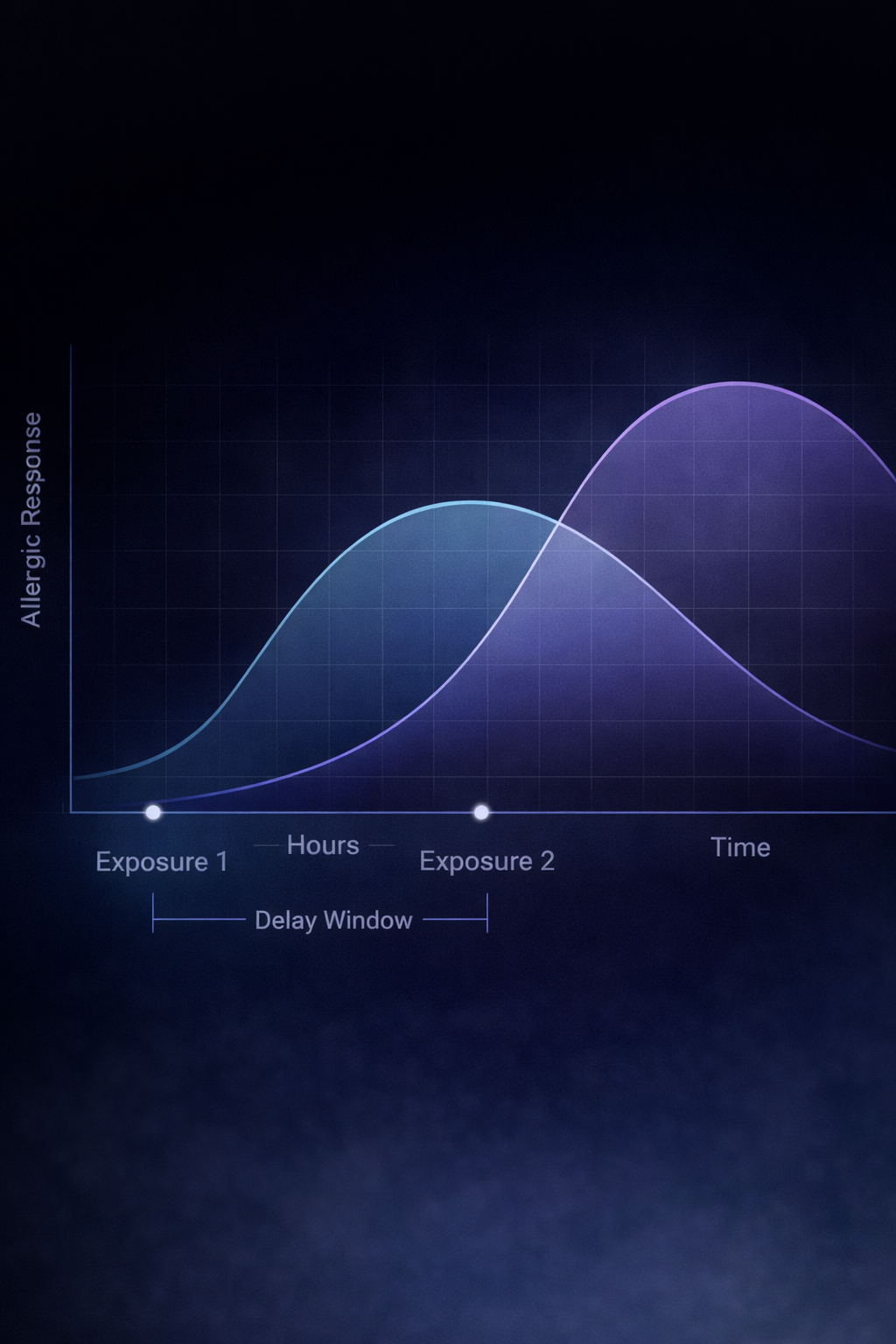
Alpha-gal update and testing context visualization

Use every update to ask

Does this affect testing?
Does this affect daily life?
Should I ask a clinician?

Plain-language rule

If an update does not change your testing question, daily decisions, or clinician conversation, it is probably just background reading.

Research and testing

What this may mean for testing.

Use this track for research, trusted-source updates, and testing context.

Clinical observationEvidence review · July 2026

Heparin and Alpha-Gal: What a New Cardiac Case Does—and Does Not—Show

A 2026 case described cardiovascular collapse after intravenous heparin in a patient later diagnosed with alpha-gal syndrome. The safest lesson is about advance review—not universal heparin avoidance.

What this means

The case makes heparin-triggered hypersensitivity plausible, but it does not prove that alpha-gal or heparin independently caused the cardiac arrests. The reported alpha-gal IgE of 0.32 kU/L was measured after the events, not during the exposures.

Why it matters

High-dose cardiac-surgery data and general inpatient experience show different reaction contexts. Product, dose, route, history, urgency, and the treating team's risk-benefit assessment matter more than a blanket safe or unsafe label.

What to do next

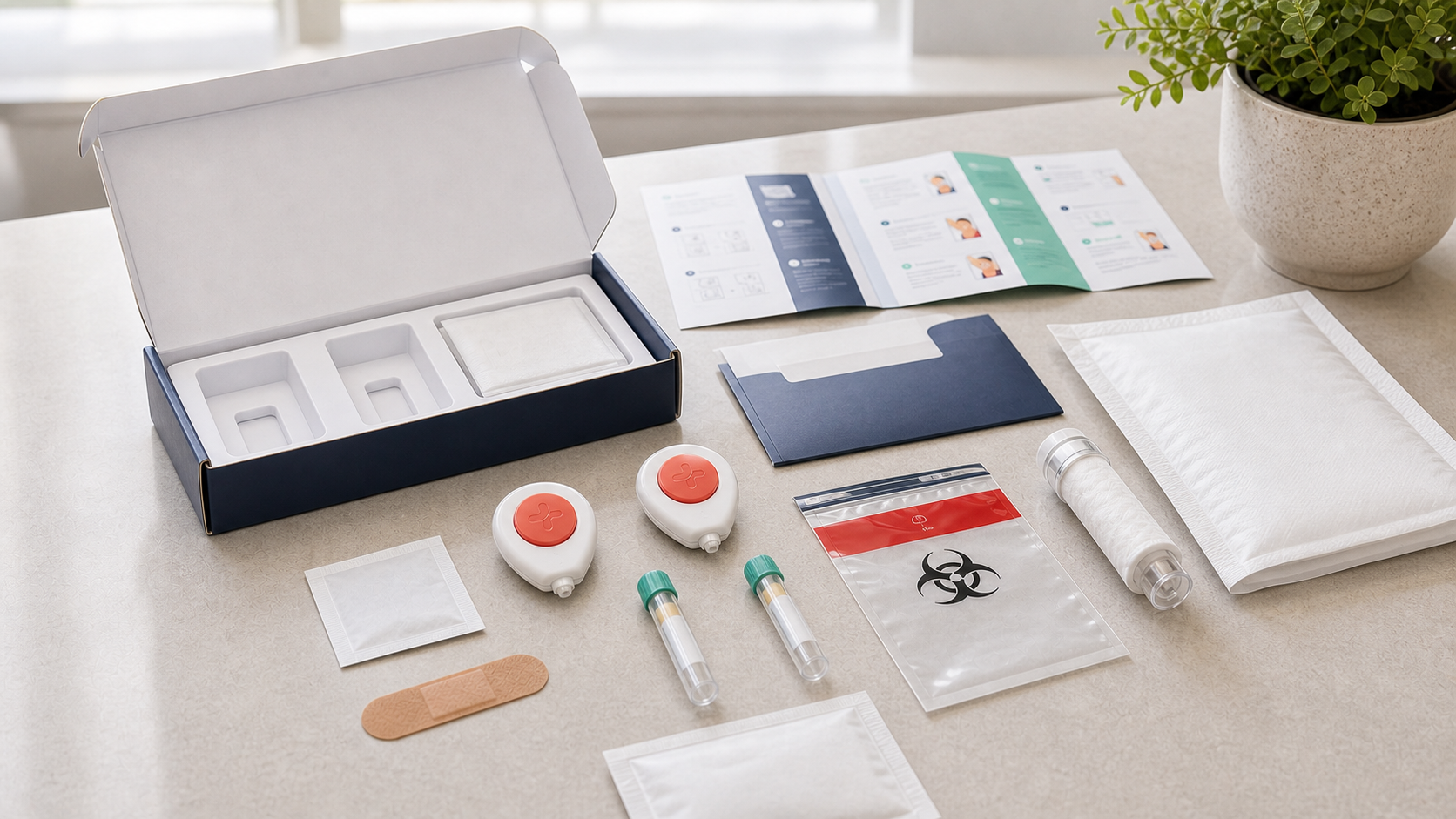
Read the medical-product review page and share known or suspected AGS and prior unexplained procedure reactions with the treating team before planned care when possible.
heparinmedical productsclinical observation
Review medical and procedure context
SymptomsTrusted topic

Delayed symptoms can be easy to miss

Many people do not connect symptoms back to food because reactions can happen hours later, often at night.

Why it matters

Timing is one of the biggest reasons alpha-gal gets missed. A good update should help people recognize the pattern sooner.

What to do next

Review symptom timing and bring that pattern into testing or a clinician conversation.

timingsymptomspattern
Review symptoms
TestingTrusted topic

Testing is most useful when it answers a clear question

Alpha-gal testing works best when symptoms, tick exposure, and food timing are considered together instead of treating a result as the whole answer.

Why it matters

This keeps testing practical for patients: find out whether alpha-gal fits, then decide what needs review or follow-up.

What to do next

Start with the alpha-gal testing page if the pattern fits your question.

testingtick exposureprovider review
See testing options
Trusted sourceTrusted source

Trusted sources are still the best place to check basics

Public-health and research updates are most useful when they change how people understand symptoms, testing, tick exposure, or daily decisions.

Why it matters

This page should help patients find useful context without turning every headline into alarm or medical advice.

What to do next

Use trusted sources for general learning, then use AlphaGalTest when you need a testing starting point.

CDCresearchpublic health
Open CDC overview

Safety boundary

This page is educational context, not diagnosis, treatment, emergency protection, or automatic care. Trouble breathing, throat swelling, fainting, severe chest symptoms, or suspected anaphylaxis need urgent or emergency care.